
Step-By-Step Guide to Fixing Warped Wood and Saving Your Project
Warped wood can disrupt any woodworking project, but with the right approach, it is possible to restore both your materials and your confidence. Understanding the causes and solutions for warping equips you to tackle repairs efficiently and ensures your finished work stands the test of time. This guide explores how to fix warped wood and prevent future issues.
Understanding the Roots of Warped Wood and Its Impact
Discovering a board bent out of shape is a common frustration in woodworking. Warping occurs when wood fibers expand or contract unevenly, mainly due to moisture fluctuations. One side of a board drying faster than the other creates tension, bending the grain. Factors like grain orientation, changing temperatures, and milling methods can intensify this effect, especially in diverse climates from humid coasts to arid deserts.
For beginners, encountering a warped plank can be discouraging, potentially delaying projects and wasting materials. However, warping marks the beginning of a wood project restoration journey, not the end. By learning the science behind warping, you can confidently approach repairs and reclaim your work. Explore foundational principles in our beginner woodworking guide and dive deeper into the technical details with resources from leading experts.
Essential Tools and Preparation for Warped Wood Repair
Before starting any warped wood repair, assembling the correct tools is crucial for safety and efficiency. Here’s a quick-reference table of essential tools, their purposes, and professional tips:
Must-Have Tool: Purpose Pro Pointer
- Parallel-jaw clamps: Even pressure for repairing bent wood. Wide pads prevent denting.
- Moisture meter: Monitors moisture between 6% and 8%. Calibrate monthly.
- Straight edge or winding sticks: Detects twists and cups. Aluminum stays straighter.
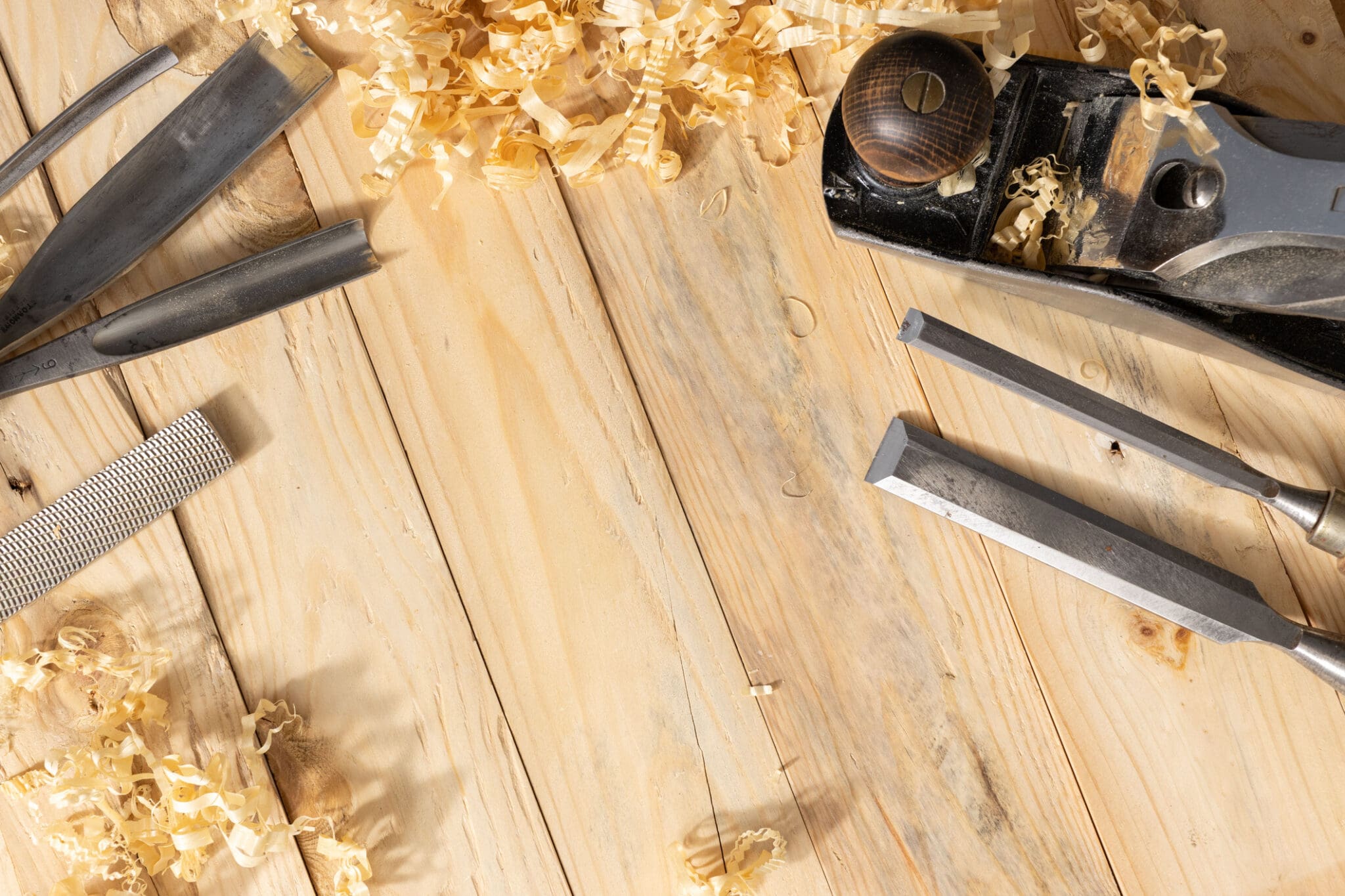
- No. 5 hand plane: Removes high spots. Keep iron razor-sharp.
- Heat source (iron or heat gun): Apply controlled heat. Keep below 300°F.
Keep your workspace clear—sawdust or debris can mimic warping. Store clamps, cauls, and adhesive within reach, and use directional lighting to highlight irregularities. Upgrading to premium woodworking tools enhances safety and makes fixing warped wood a more manageable task.
Step-By-Step Techniques for Bringing Bent Boards Back to Life
- Each warped board requires a tailored approach. Use this step-by-step woodworking tutorial to restore your materials.
- Evaluate the warp. Place the board on a flat surface and use a straight edge diagonally and lengthwise to identify bowing, cupping, or twisting.
- Add targeted moisture. For light cups or bowls, mist the concave side with water. Wrap in plastic for thirty minutes to let fibers relax. Avoid over-wetting to prevent damage.
- Apply gentle heat. Use a household iron on medium, placed over a damp cloth on the concave side for five-minute intervals. For thick hardwoods, a heat gun at 250°F works best, but keep it moving to avoid burns.
- Clamp flat. Sandwich the board between straight cauls. Gradually tighten parallel-jaw clamps to avoid splits. Leave clamped for at least a week to allow fiber realignment.
- Check moisture. Remove clamps and test with the moisture meter. If readings exceed 8%, let the board air-dry longer before further work.
- Surface and square. Plane high spots with a No. 5 hand plane. Check for twist, repeating light passes until the board is flat.
Troubleshooting tips: Over-wetting can raise the grain—let the wood dry thoroughly, then sand with 180-grit paper. Softwoods may dent if clamping pads are too hard, so use rubber or scrap cauls. Dense species like oak or maple require slower, longer heat cycles, while pine and poplar need careful monitoring to avoid scorching.
Refer to project plans for woodworking that include lumber preparation checkpoints, integrating these techniques seamlessly into your workflow.
Proactive Practices for Preventing Future Warping Woes
Prevention saves time and effort. Adopt these habits to avoid future warping.
- Select kiln-dried boards with moisture under 8%. Always verify with your meter before purchase.
- Acclimate lumber for at least 72 hours in the intended room. In colder regions, bring boards inside sooner.
- Store lumber flat with 1-inch spacers for airflow. In humid areas, add a small dehumidifier to your shop.
- Seal end grain with wax to slow moisture loss.
- Apply finishes to both sides of your project to balance tension.
- Maintain a clean workspace; stray metal shavings or spilled finishes can cause uneven drying.
Explore detailed tool guides and preventive care articles for seasonal adjustments, whether you are facing rainy winters or dry summers. Keeping your shop clean and organized reinforces best practices for long-term woodworking success.
Elevating Your Woodworking Journey With Community and Expert Support
Woodworking thrives with community support. Join The Sawdust Workshop forums to access:
Peer project journals sharing real-world solutions for flattening boards.
Live Q&A sessions with professionals experienced in advanced restoration equipment.
Exclusive step-by-step tutorials expanding on this warped wood repair guide.
Product reviews covering everything from moisture meters to specialty tools.
Membership offers instant feedback, encouragement, and a rich source of woodworking tips, making the craft more accessible and enjoyable.
What Sets Our Gear Apart
Feature Why It Matters: How to Pick the Right One
- Feature Why It Matters: How to Pick the Right One
- Precision machining ensures accurate clamping pressure. Choose clamps milled within ±0.003″.
- Ergonomic handles reduce fatigue during long glue-ups. Test grip diameter—1.3″ fits most hands.
- Sustainably sourced hardwood cauls provide even pressure without marring. Quartersawn maple offers superior strength.
- Field-tested by staff and verified in real workshops. Check product descriptions for notes
Purchasing through The Sawdust Workshop means you are getting tools tested in real-world scenarios, ensuring quality and reliability for all your DIY woodworking repairs.
Bringing Your Project Full Circle and Next Steps
Warped lumber can be a setback, but with the right woodworking tools, knowledge, and community, you can turn challenges into achievements. This guide has explored the causes of warping, essential tools, step-by-step repair methods, and best practices for future prevention. Explore our resources to continue growing your skills and reclaim your woodworking confidence.
Transform Your Woodworking Success
Tackling warped wood is a vital skill for every woodworker. By understanding the causes, using the right tools, following proven repair methods, and practicing preventive care, you ensure your projects last. For more expert guidance and premium supplies, connect with us.
References
Increased Use of Heat and Moisture Techniques – https://www.woodworkhubby.com
Sunlight Exposure for Natural Correction – https://www.21oak.com
Advancements in Professional Restoration Equipment – https://www.journeymanhq.com
Growth in DIY Solutions – https://careandrepair.com
Moisture Content Monitoring – https://aqviz.com
Clamping Duration – https://www.diydoctor.org.uk
Comprehensive Fixing Guide – https://woodworkingadvisor.com
Additional Straightening Methods – https://craftycedar.com
Unwarp Techniques – https://woodworkingclarity.com
Proven Methods and Tools – https://materiawoodcraft.com